


The Thuringia Forest and the Origins of Gnomes | The Saga of Belsnickel

The Thuringia Forest: A Place Where Legends Are Born
Long before the modern world pressed roads through the wilderness and mapped every hill and stream, forests were places of mystery, fear, and profound meaning. In medieval Europe, the forest was not merely a collection of trees, it was a living borderland between the known and the unknown, between safety and danger, between the human world and the realm of spirits, beasts, and wonders unseen.
It is within this ancient understanding that the legends of gnomes were born, and it is why the Thuringia Forest stands at the heart of The Saga of Belsnickel. In the story the forest doesn’t stand as a backdrop, but a character. To understand Ulvie’s journey, and the quiet but essential role the gnomes play within it, we must first step beneath the dark canopy of the medieval forest itself.

Where Gnomes Were Born: Earth Spirits of the Old World
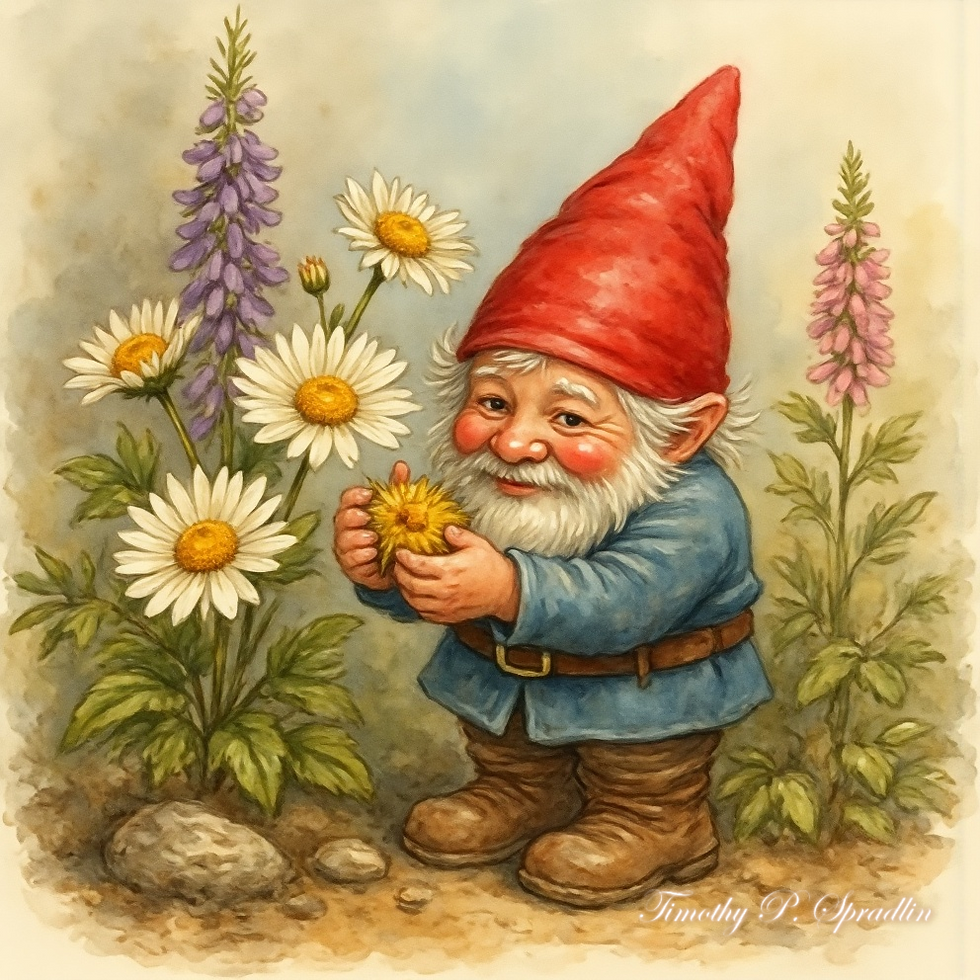
The word gnome is often traced to later Renaissance writers, but the idea of gnomes is far older, rooted deeply in Germanic and northern European folklore. These beings were believed to be spirits of the earth, guardians of hidden places, mines, roots, and stones. Unlike fairies of the air or spirits of water, gnomes belonged to what lay beneath one’s feet. They were creatures of soil and silence.
The gnomes as we know them were created in the 1800s by a sculptor named Philipp Griebel began producing small terracotta figures of gnomes in the town of Graefenroda, in Thuringia Germany.
Gnomes are much older than that, in Scandinavian folklore they are known as Tomte or Nisse and are very much associated with Yule.
In medieval belief, especially in regions like Thuringia, gnomes were not whimsical garden ornaments. They were serious beings, secretive, cautious, and bound by ancient laws. Farmers whispered of them when crops failed or flourished. Miners spoke of them in hushed tones, believing gnomes could either guide them to rich veins of ore or lead them astray if disrespected.
Gnomes were rarely seen but often felt. A turned stone, a hidden path revealed, a sudden warning in the woods, these were signs of gnomish presence. They were not servants of mankind, but neighbors of a sort, sharing the same land while existing just beyond ordinary sight.
This conception of gnomes fits perfectly within the medieval worldview: a world alive with intention, meaning, and moral consequence.
The Thuringia Forest: A Medieval Threshold
The Thuringia Forest, stretching across central Germany, has long been a place of legend. In the Middle Ages, it was vast, dark, and largely unmapped. Travelers feared it. Monks retreated into it. Kings hunted its edges but rarely dared its heart.
Forests like Thuringia were seen as thresholds, places where civilization ended and testing began. Roads vanished. Time felt different. Sounds carried strangely. Wolves, bandits, and spirits were all believed to dwell there.
In medieval storytelling, the forest was where transformation occurred. A boy entered the forest as one thing and emerged as another. Faith was tested there. Fear was confronted there. Mercy and courage were proven there.
This is why Ulvie’s story could not unfold anywhere else.
Why Forests Matter in Medieval Storytelling
To a medieval audience, a forest was never a neutral setting. It was a moral landscape.
Castles represented order. Villages represented community. Churches represented divine authority. But forests represented choice.
In the forest, no walls protected you. No laws enforced your behavior. Who you were, your true character, was revealed when no one was watching. This is why saints were tempted in wildernesses, knights were tested in forests, and children in stories so often found themselves alone beneath the trees.
Forests were places where the veil between heaven, earth, and the unseen grew thin.
In The Saga of Belsnickel, the Thuringia Forest fulfills this ancient role. It is not merely scenery; it is an active participant in the story. It shelters Ulvie when he is vulnerable. It challenges him when he is afraid. It listens when he prays. And it reveals truths when words fail.
Ulvie’s Journey Begins Where Paths Disappear
Ulvie does not begin his journey as a hero. He is a boy shaped by loss, uncertainty, and a world in transition. His father has gone to war. Old pagan fears still whisper through the land, even as Christian faith takes deeper root.
The forest reflects this tension. Within the Thuringia Forest, Ulvie encounters creatures drawn from older beliefs, trolls, giants, spirits of earth and wood. yet he approaches them not with pagan rituals or brute strength, but with compassion, courage, and trust in God.
This is where Ulvie differs from the heroes of older sagas. He does not conquer the forest. He learns to walk within it rightly.
The Gnomes: Keepers of Balance
Among the forest’s quietest inhabitants are the gnomes. In The Saga of Belsnickel, they are not comic relief, nor are they mere helpers. They are watchers, ancient beings who remember when the world was younger and harsher.
The gnomes understand the forest in ways humans cannot. They know which roots hold water in winter, which stones shift before storms, and which paths should never be taken. They care deeply for order, balance, and tradition.
Yet they are cautious of mankind. Humans forget. Humans cut without asking. Humans take more than they give. The gnomes have seen this again and again.
What makes Ulvie remarkable to them is not his bravery alone, but his humility. He listens. He respects boundaries. He shows kindness even when afraid.
In doing so, he earns something rare: trust.
Why the Gnomes Matter to the Story
The gnomes serve several essential roles within The Saga of Belsnickel.
First, they represent continuity. They are living memory, reminders of the old world that existed before kingdoms and churches yet now must find their place within a changing age.
Second, they act as moral witnesses. They see Ulvie’s choices when no one else does. His mercy toward trolls, his patience with reindeer, his refusal to act from pride, these things matter deeply to beings who understand the long consequences of small actions.
Finally, the gnomes help bridge worlds. They stand between pagan folklore and Christian meaning, allowing the story to honor ancient traditions without being ruled by them. Through Ulvie, the gnomes glimpse a future where faith does not destroy wonder but redeems it.
A Forest Still Speaking
Though centuries have passed, the Thuringia Forest still whispers its old stories. It reminds us that not everything important can be measured, mapped, or conquered. Some things must be respected. Some truths must be learned slowly.
In The Saga of Belsnickel, the forest is where legends are born not because magic lives there, but because character is forged there.
And in the quiet footsteps of gnomes beneath the roots of ancient trees, we are reminded that even the smallest guardians can shape the greatest stories.
The forest is waiting.


Comments